
Importance of Fibre Wire in Cemented Products: Strength, Durability & Long Life
Cemented products have become a crucial part of modern construction, but what makes them truly strong and long-lasting is the material used inside them. One of the most advanced and reliable reinforcements today is fibre wire for cemented products.
Whether you look at pillars, jali, railing designs, elevation designs, or decorative structures, the use of fibre wire for cemented products ensures better performance, stronger build, and long-term durability.
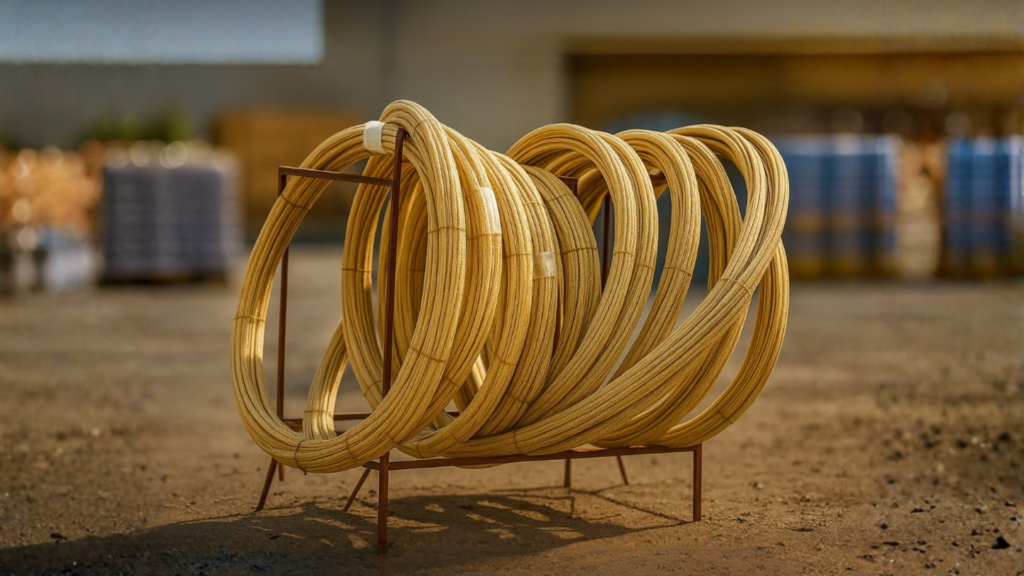
- Why Fibre Wire Matters in Cemented Manufacturing
In traditional cement items, iron rods were used, but they created issues like rusting, weakening, and cracks over time. Modern manufacturers now prefer fibre wire for cemented products because it does not rust, provides higher flexibility, and increases structural strength.
This makes fibre wire for cemented products ideal for houses, exterior elevation work, and long-lasting decorative cement items.
- Strength & Crack Resistance
One of the biggest advantages of using fibre wire for cemented products is that it significantly reduces cracks. Cement expands and contracts due to weather, and weak reinforcement causes damage.
But when fibre wire for cemented products is used, the cement becomes more flexible and resistant to stress. This is why most high-quality elevation suppliers prefer fibre wire for cemented products to avoid breakage during installation or transportation.
- Lightweight Yet More Durable
Unlike iron rods, fibre is lightweight but surprisingly stronger. When manufacturers use fibre wire for cemented products, the final structure becomes easy to lift and transport without risk of breaking.
The lightweight nature also helps installers work faster and safer, making fibre wire for cemented products the best choice for stairs railing, mirror frames, and ready-made elevation items.
- Long Life & No Rusting Issues
Rust is the biggest enemy of cemented designs. When rust expands, it cracks the cement from inside. This is why modern manufacturers strongly rely on fibre wire for cemented products, as it does not rust even in extreme weather.
Homes in Punjab, Haryana, and Rajasthan also prefer fibre wire for cemented products because of long-term performance and zero maintenance issues.
- Better Finishing & Smoother Surface
When using fibre wire for cemented products, the cement remains stable during vibration curing. This results in a smooth, premium finish, especially important in elevation pillars, jali, and decorative pieces.
Every manufacturer who focuses on premium quality now uses fibre wire for cemented products to ensure perfect detailing and strong bonding.
- Ideal for Modern Elevation Designs
Today’s homeowners want stylish, modern, and long-lasting elevation work. Using fibre wire for cemented products improves not only strength but also design flexibility. The material allows manufacturers to create more detailed, artistic, and precise shapes.
In fact, most ready-made elevation suppliers now depend on fibre wire for cemented products because it supports thin, lightweight shapes without breaking.
Conclusion
Using fibre wire for cemented products is no longer just an option, it is a necessity for modern construction and elevation work. It delivers superior strength, long life, zero rust, and better finishing.
Whether you are building a house, designing an exterior elevation, or installing railing and jali, choosing cement items reinforced with fibre wire for cemented products ensures long-term durability and satisfaction.
Frequently Asked Questions (FAQs)
- What are the main benefits of using fibres in concrete and cemented products?
Fibres help control cracking, improve durability, impact resistance, and reduce maintenance over the long term.
- How do fibres help control cracks in concrete?
Fibre reinforcement distributes stress more evenly and bridges microcracks, reducing crack width and formation.
- Can fibres completely replace traditional steel reinforcement like rebar?
In many applications, fibres can partially reduce the need for steel reinforcement but may not fully replace rebar in structural uses.
- What types of fibre materials are commonly used in cemented products?
Cemented products often use fibre materials like glass fibre, polypropylene fibre, and synthetic fibre. These fibres improve strength, reduce cracking, and increase durability in ready-made cement designs such as jalis, pillars, elevation panels, and railings.
- Do fibre-reinforced cement products withstand weather and freeze–thaw cycles better?
Yes, fibres enhance durability and reduce permeability, helping the material resist environmental factors.
- Does adding fibres improve tensile strength and toughness of cement products?
Fibre reinforcement increases toughness and tensile performance by bridging cracks and redistributing loads.
- Are fibre-reinforced cement products more impact resistant?
Fibres improve the ability to absorb energy and resist impact compared to plain cement or concrete.
- Can fibres help reduce the cost of construction?
Using fibres can reduce labor and finishing time, lowering overall construction costs in many applications.
- Do fibres reduce maintenance needs for cemented products?
Yes, better crack control and durability mean fewer repairs are required over time.
- How do fibres impact the workability of cement mixes?
Higher fibre dosages can make mixing and placement more challenging, but proper mix design and admixtures can maintain workability.